Trading Blog

Insights, strategies, and guides to help you trade smarter.

6 Things to Know About Time Series Cross Validation
Trading

6 Things to Know About Time Series Cross Validation

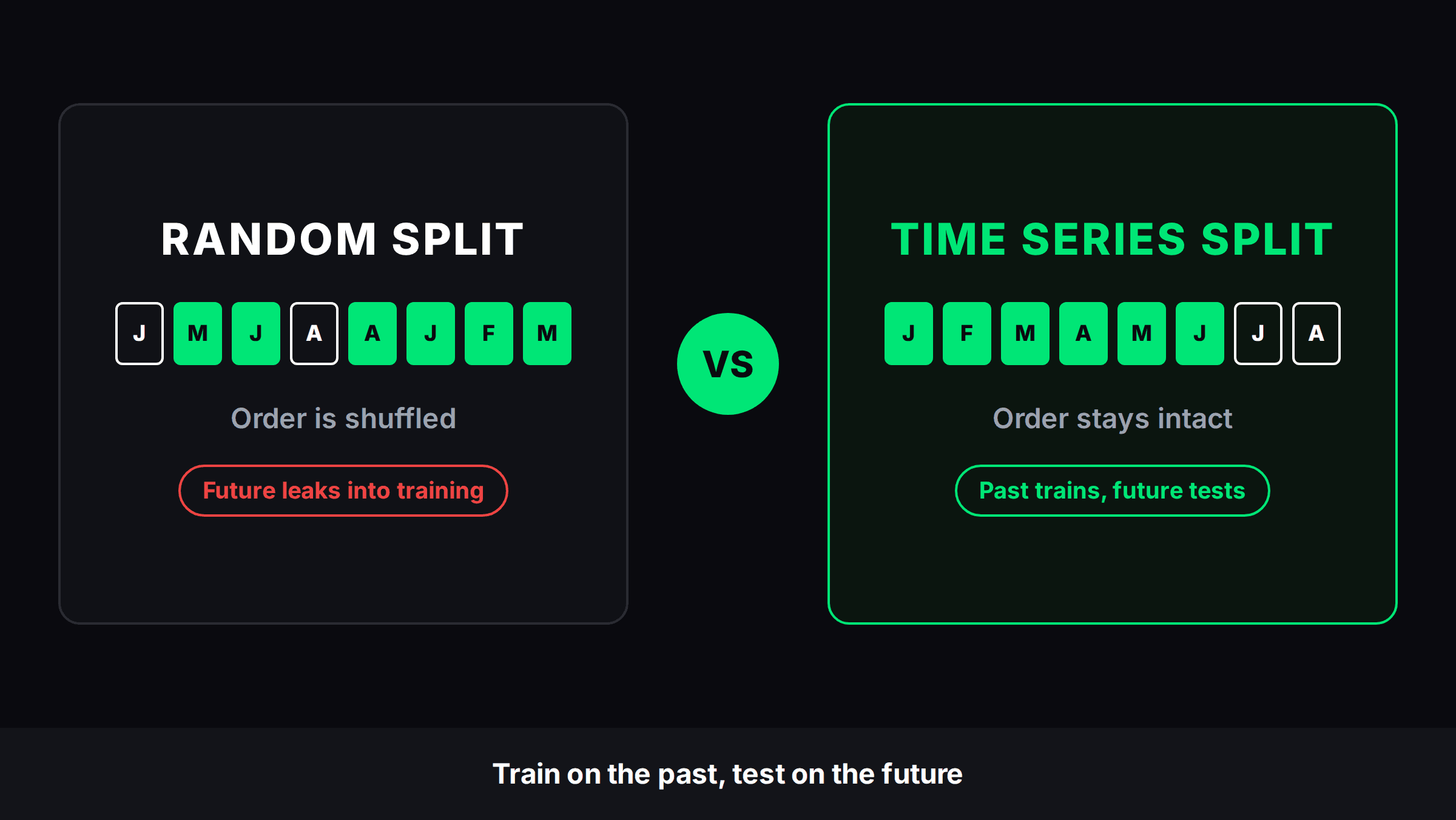
When working with financial or other sequential datasets, Time Series Cross Validation provides a way to evaluate whether a model can perform on observations that occur after the data used for training. Unlike conventional cross-validation, it must account for chronology because future observations should not influence earlier decisions.

September 24, 2026
Read more
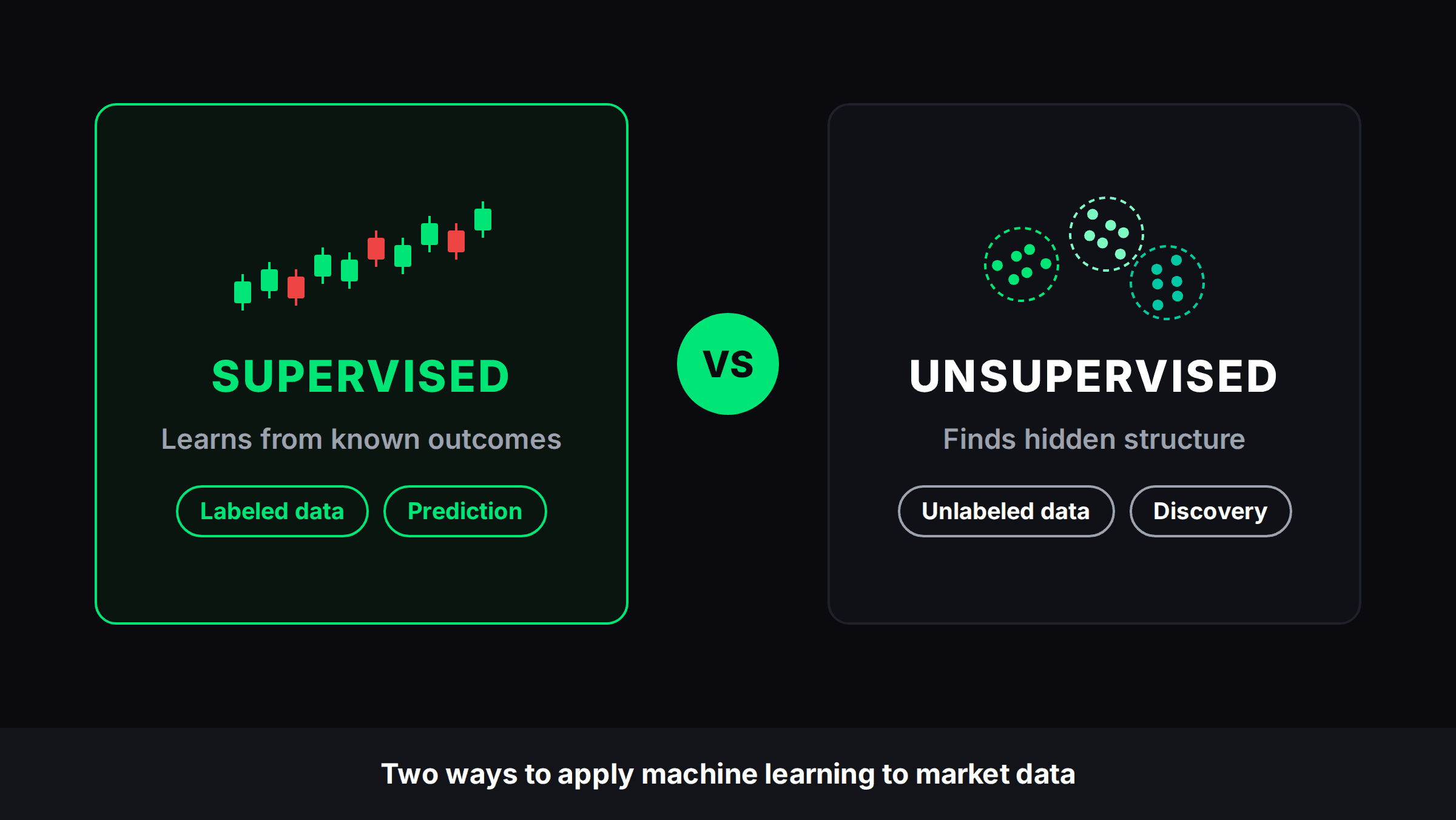
Supervised vs Unsupervised Learning for Trading
Trading

Supervised vs Unsupervised Learning for Trading

Machine learning can help traders analyze large amounts of market data, identify recurring patterns, and develop systematic approaches to decision-making. However, not every machine learning method learns from financial data in the same way. Supervised vs Unsupervised Learning represents two fundamentally different approaches that can be applied to trading research and strategy development, including efforts to

September 24, 2026
Read more
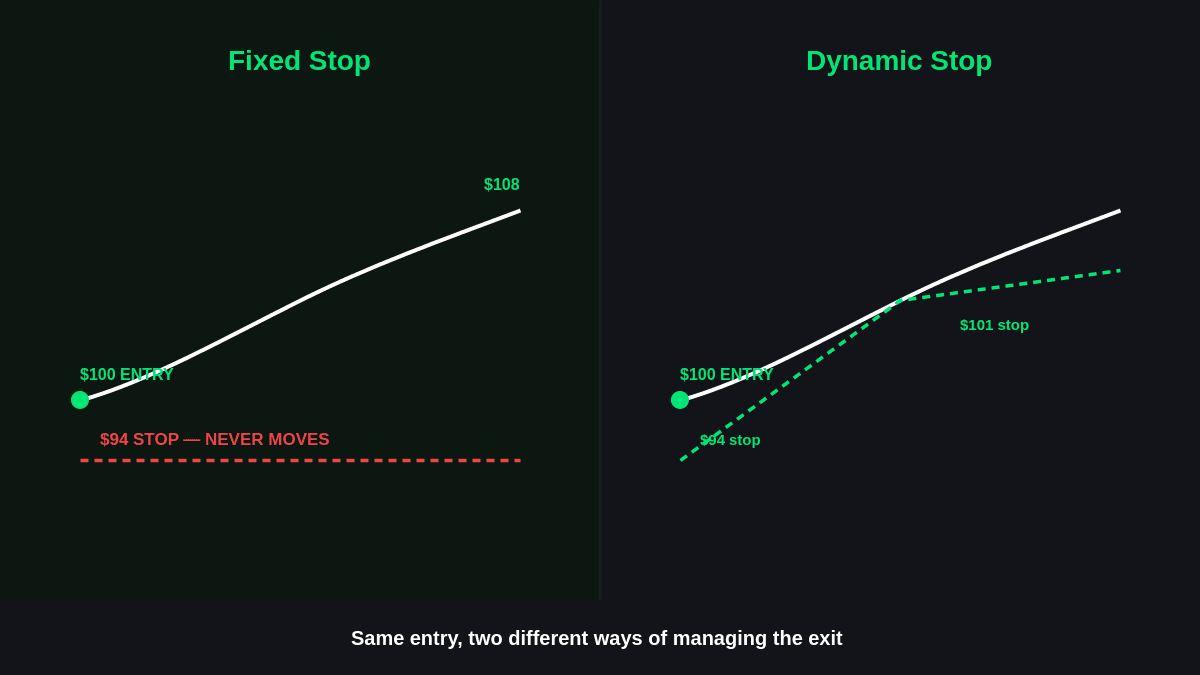
Fixed Stop Loss vs Dynamic Stop Loss Strategies
Trading

Fixed Stop Loss vs Dynamic Stop Loss Strategies

A stop loss defines a point where a trade is exited when price moves against the position. But the way that level is determined can vary considerably. A Fixed Stop Loss vs Dynamic Stop Loss approach compares two different ways of managing that exit level.

September 23, 2026
Read more
How to Use Multi Timeframe Analysis for Entries
Trading

How to Use Multi Timeframe Analysis for Entries

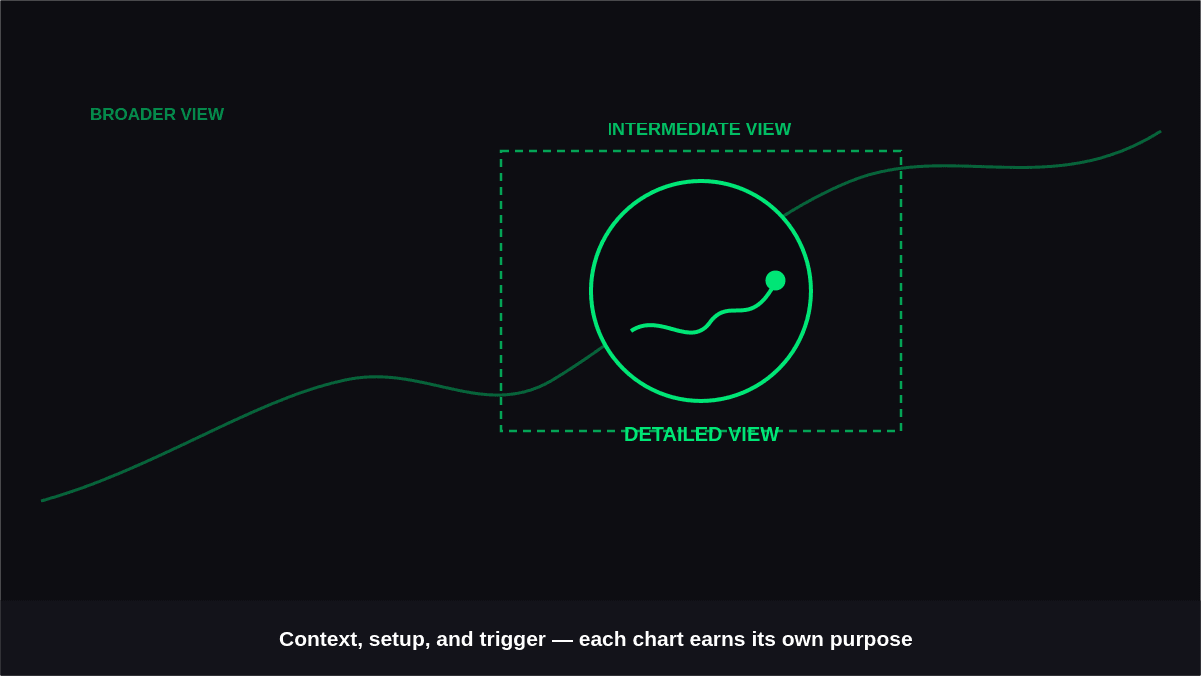
Multi Timeframe Analysis involves examining the same market on different chart intervals before making a trading decision. Instead of evaluating an entry from one chart alone, traders can use different timeframes to understand market structure, assess a setup, and identify a potential entry.

September 23, 2026
Read more
How to Test a Trading Indicator Before Using It
Trading

How to Test a Trading Indicator Before Using It

A Trading Indicator can make charts easier to interpret, but its signals should not automatically be treated as reliable trading decisions. An indicator may appear effective on a few charts while producing very different results across other assets, timeframes, or market conditions. Testing helps traders understand how an indicator behaves before incorporating it into a repeatable strategy.

September 22, 2026
Read more
How to Prevent Data Snooping in Trading Research
Trading

How to Prevent Data Snooping in Trading Research

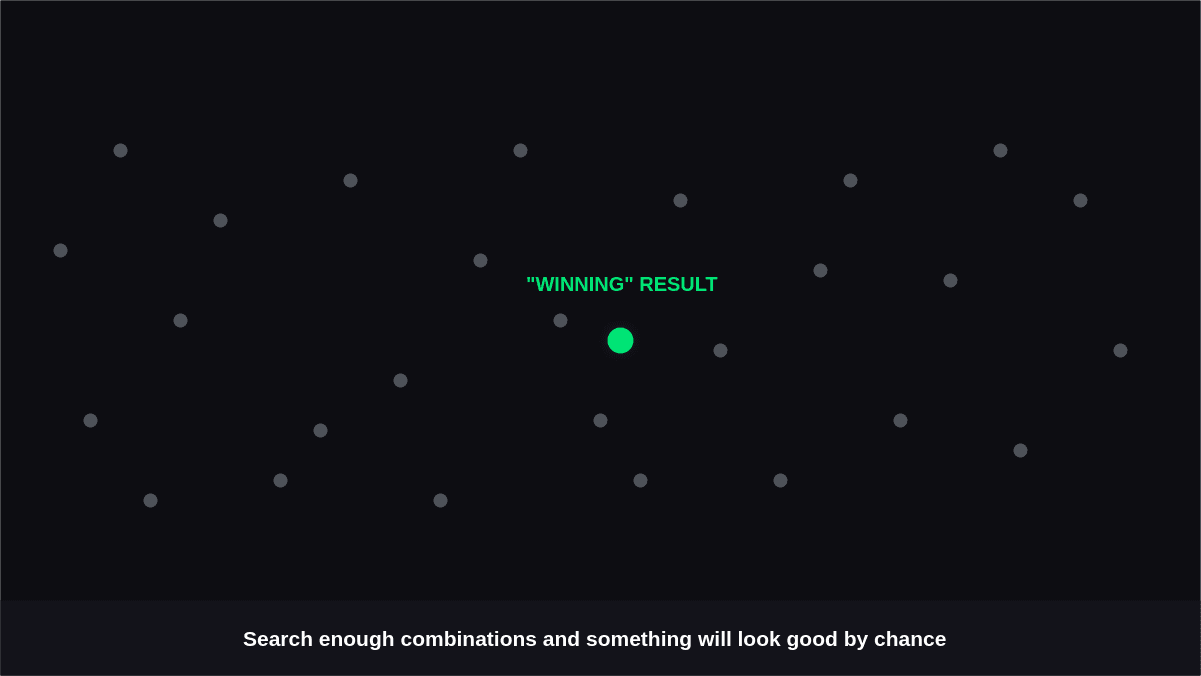
A trading strategy may produce impressive results in a historical backtest, yet struggle when it encounters market data it has never seen before. One possible reason is data snooping, a problem that can occur when researchers repeatedly test ideas, change parameters, or compare different strategies using the same dataset until a favorable result emerges. In such cases, the apparent edge may be the result of chance rather than a pattern that is likely to persist.

September 22, 2026
Read more