Trading Blog

Insights, strategies, and guides to help you trade smarter.

Auction Market Theory: Understanding How Buyers and Sellers Interact
Trading

Auction Market Theory: Understanding How Buyers and Sellers Interact

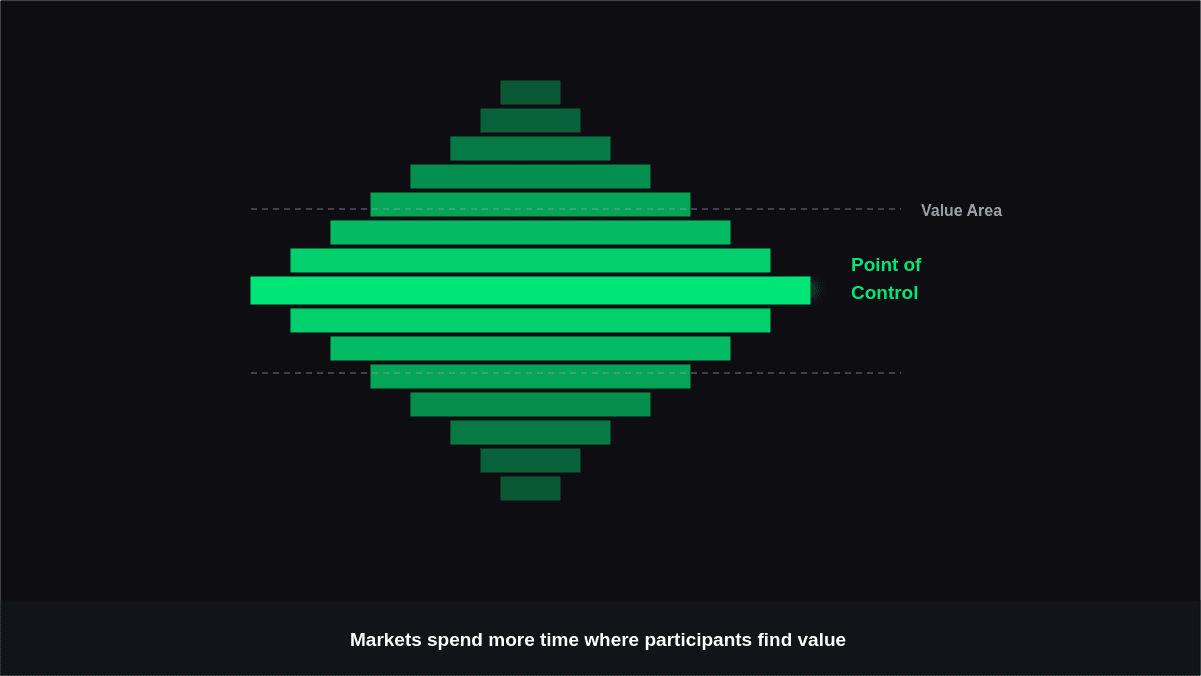
Auction Market Theory provides a framework for understanding how financial markets establish prices through continuous interaction between buyers and sellers. Instead of viewing price movement as random, the theory considers the market an ongoing auction where participants negotiate through their orders and willingness to transact at different prices, creating an evolving

September 13, 2026
Read more
How Much Money Do You Need to Start Trading?
Trading

How Much Money Do You Need to Start Trading?

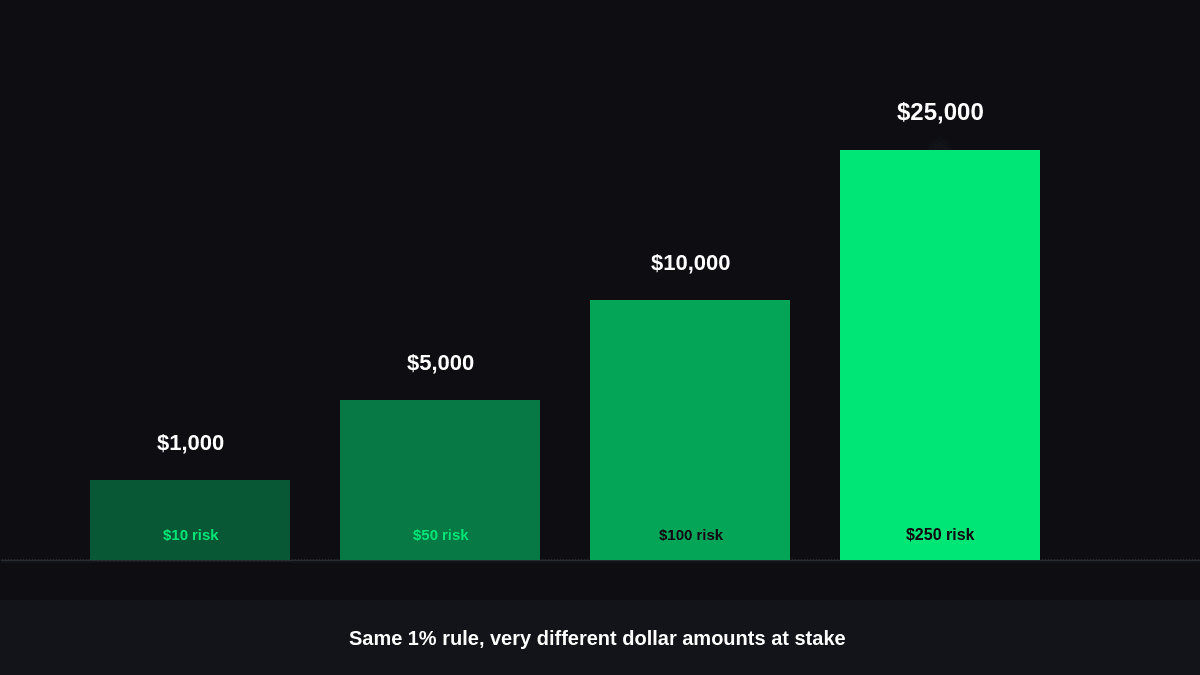
The amount of money you need to begin trading depends on the market, strategy, broker, and how much risk you are able to take. The most frequently asked question is, “How Much Money Do You Need to Start Trading?” There is no fixed figure that applies to everyone who wants to enter the trading market. A beginner with a cash account can start with a few hundred dollars, while a day trader may require more capital. The major question is not simply how much capital you can put into your trading account, but how much allows you to trade without taking on unnecessary risk. Your capital should also support your

September 12, 2026
Read more
What Should a Beginner Learn Before Trading?
Trading

What Should a Beginner Learn Before Trading?

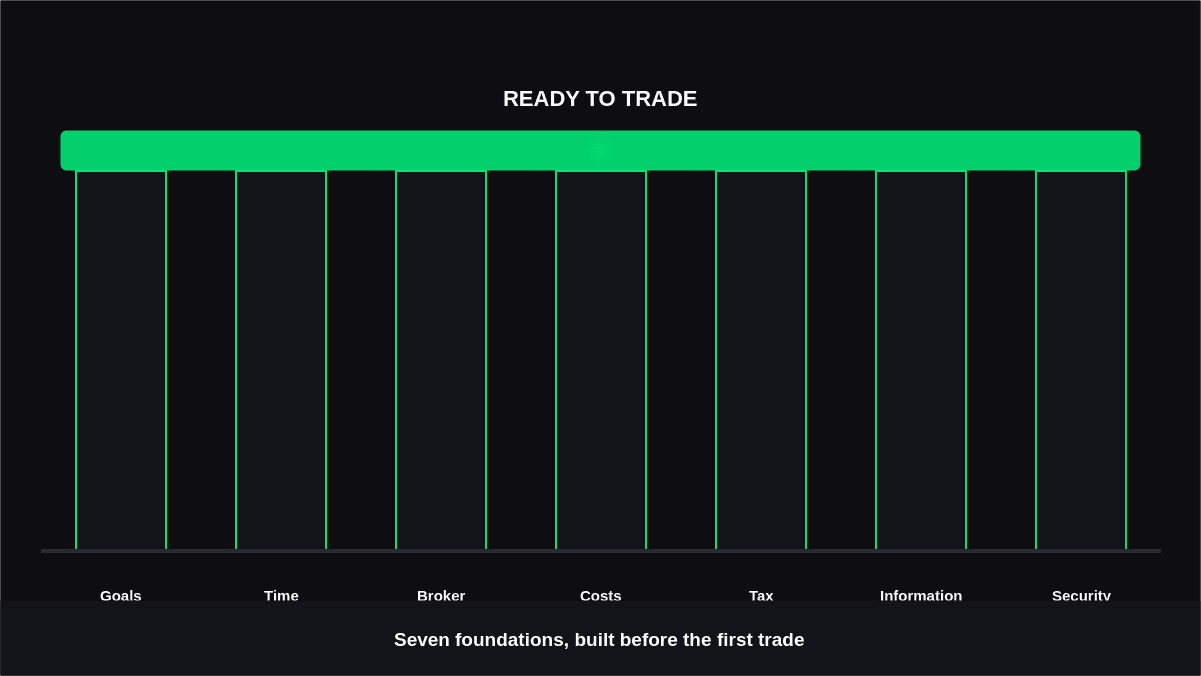
Before starting to trade, beginners need to consider more than just learning charts or choosing a trading strategy. Understanding what should a beginner learn before trading also means considering practical factors such as financial goals, available time, trading costs, broker selection, tax responsibilities, reliable information, and account security.

September 12, 2026
Read more
Low Float Stocks: What Traders Should Know Before Trading Them
Trading

Low Float Stocks: What Traders Should Know Before Trading Them

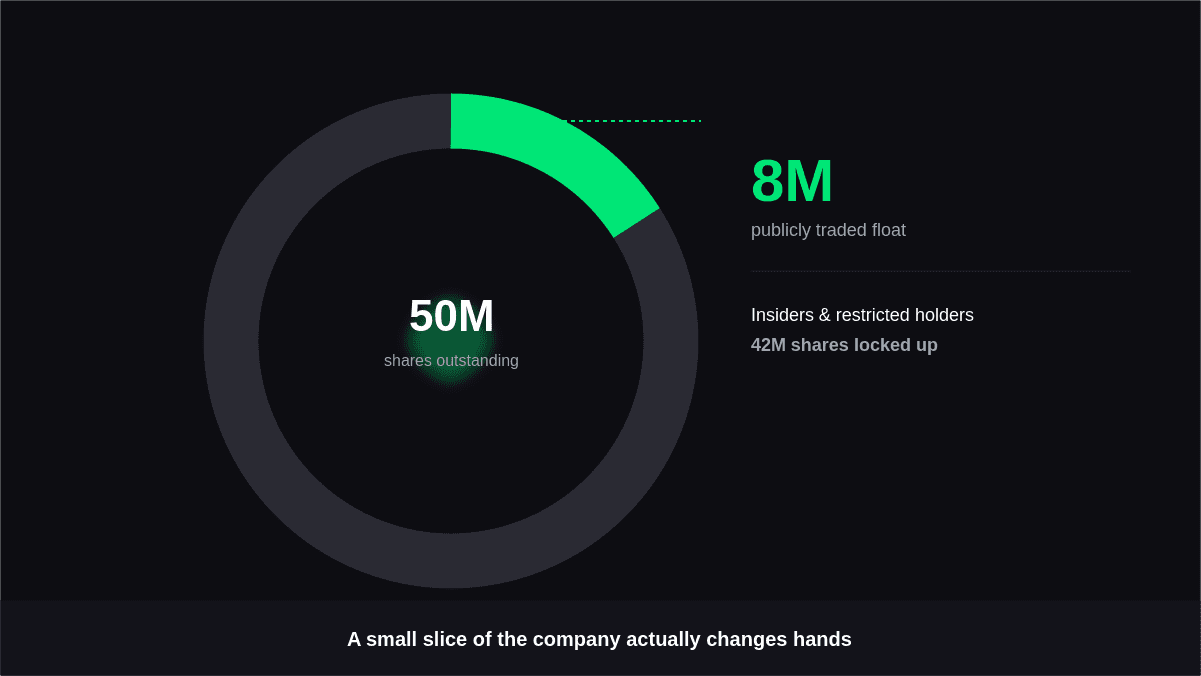
Low Float Stocks are attractive for traders due to the smaller number of shares that are traded on the open market. If demand is suddenly boosted, the small quantity will cause prices to fluctuate drastically. However, the same characteristic that creates opportunity can also make these stocks difficult to trade.

September 11, 2026
Read more
Breakout vs Pullback Trading: Which Setup Fits You?
Trading

Breakout vs Pullback Trading: Which Setup Fits You?

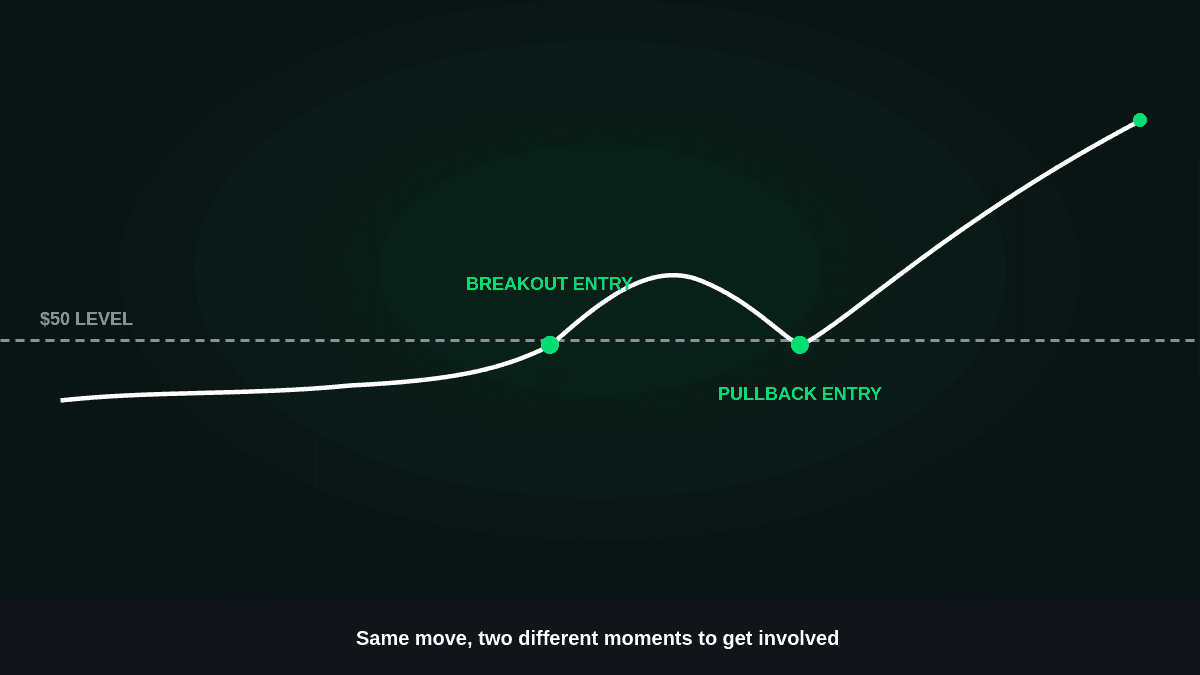
When a market is making its move, there is usually a confusion for traders on whether to get involved at the breakout stage of price, or to give it some time to retrace before entering the trade. This is what is known as Breakout vs Pullback Trading where one makes his/her choice between the two. The Breakout Trader wants to catch a move of price that has broken out of a defined level or range, while the Pullback Trader will be waiting for a retracement from the current move. Understanding how they differ can help you choose the approach that better matches the way you analyze and execute trades.

September 11, 2026
Read more
6 Step Guide on How to Analyze Backtest Results
Trading

6 Step Guide on How to Analyze Backtest Results

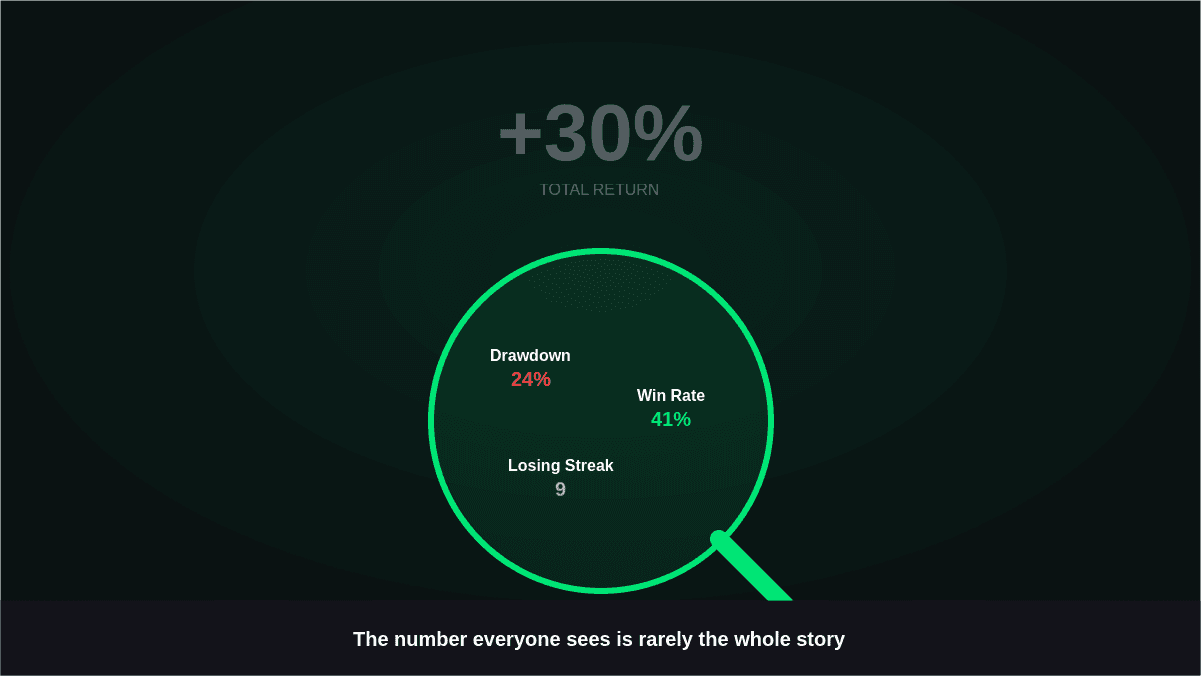
A backtest can show whether a trading idea would have worked under historical market conditions, but the results need careful interpretation. Simply seeing a high return does not prove that a strategy is reliable. A useful analysis goes further than just profitability. The trader must examine the drawdown, consistency, quality of trades, exposure to risk, and behavior of the strategy under varying market conditions. This helps separate a potentially robust system from one that only looks impressive because of favorable historical data. This 6 Step guide on how to analyze backtest results below explains what to examine, which

September 10, 2026
Read more